
Stress, Cortisol, Sleep & Recovery
Sometimes the next step in fat loss is not more effort. It is less stress and better recovery.
Many people think the answer is always to eat less, train harder, and push through. But when stress stays high for too long, your body often becomes less willing to let go of stored fat.
This is where cortisol, sleep quality, recovery capacity, inflammation, and the right exercise dose become very important.
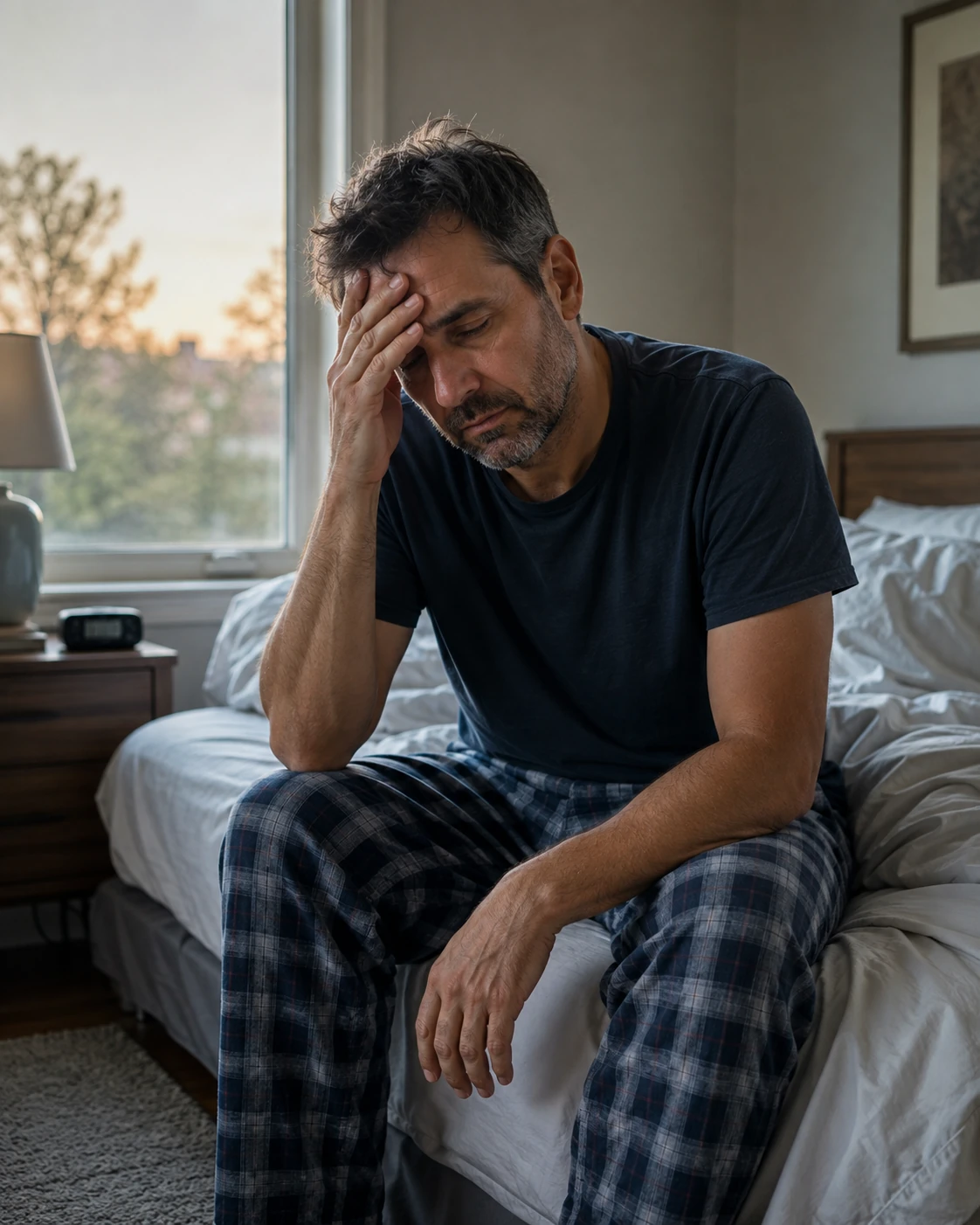
Stress is more than emotion.
Your body reacts to emotional stress, poor sleep, pain, inflammation, illness, under-recovery, ultra-processed food, and overly hard training as stressors too.

What Is Cortisol?
Cortisol is a hormone made by your adrenal glands. In plain English, it is one of the body's main stress-response signals.
Cortisol is not automatically bad. You need it. It helps you wake up, respond to challenges, regulate blood sugar, and mobilize fuel when your body thinks it needs extra help.
The problem is not that cortisol exists. The problem begins when the body stays under too much stress for too long and cortisol remains elevated too often.
Short-term stress can be useful. Chronic stress is the issue. When stress keeps piling up, fat loss often becomes harder, hunger can rise, sleep can worsen, and recovery can slow down.
Acute Stress vs. Chronic Stress
Acute Stress
This is short-term stress. A hard workout, a deadline, a competition, or an unexpected challenge can all raise stress briefly.
When you recover well, the body usually settles back down.
Chronic Stress
This is stress that stays too high for too long. It may come from poor sleep, constant worry, pain, inflammation, long work hours, under-eating, or always pushing your body without enough recovery.
This is the type of stress that most often interferes with fat loss.
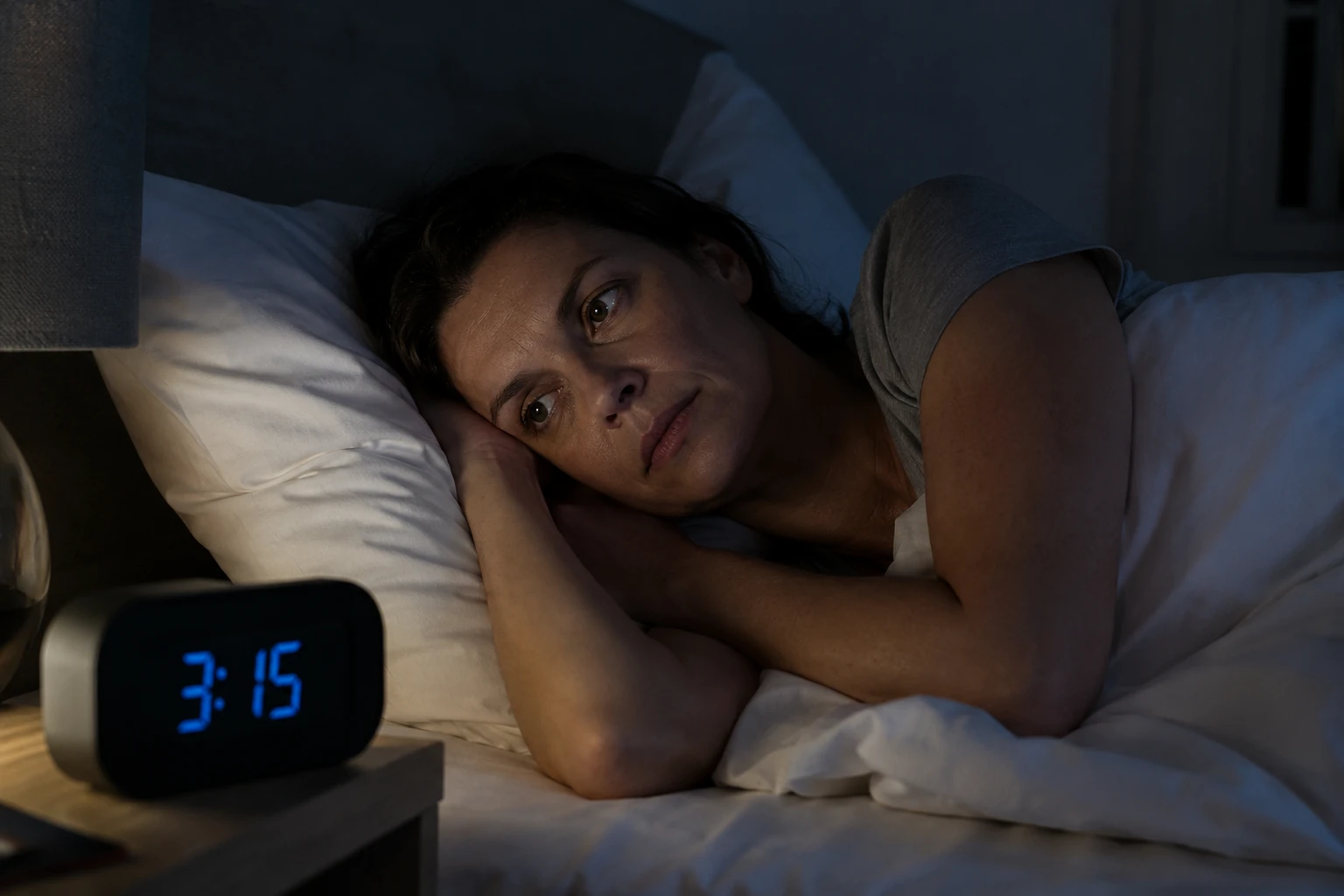
What Does Poor Sleep Do to Weight Loss?
Poor sleep does more than make you feel tired. It changes the way your body handles hunger, cravings, blood sugar, exercise, and recovery.
Your body also runs on a daily timing system called the circadian rhythm. In simpler terms, this is your built-in body clock. When sleep timing gets disrupted, many other systems become less efficient too.
If you sleep too little, wake up often, or stay in a state of poor-quality sleep, your body may become more stressed and less metabolically flexible.
Poor sleep can make you:
Hungrier, more likely to crave quick-energy foods, less likely to recover well from exercise, and more likely to feel too tired to stay active and consistent.
What Can Keep the Body Stressed?
Emotional Stress
Work pressure, financial strain, family stress, and constant mental load all matter.
Poor Sleep
Too little sleep, poor-quality sleep, or irregular sleep timing increases the body's stress burden.
Inflammation & Pain
Ongoing pain, gut issues, inflammatory problems, and chronic irritation are stress signals to the body.
Ultra-Processed Food
Food quality affects inflammation, blood sugar stability, appetite, and the overall metabolic load on the body.
Too Much Exercise
Exercise is good, but a dose you cannot recover from becomes another stressor instead of a benefit.
Too Aggressive a Deficit
Not eating enough for too long can increase stress, increase fatigue, and make the plan harder to sustain.

Why the Right Exercise Dose Matters
Exercise can help with fat loss. But more exercise is not always better.
For some people, a hard training block works well. For others—especially when sleep is poor, life is stressful, or recovery is low—too much hard training can push cortisol higher and make the body feel more threatened.
That is why walking, moderate resistance training, mobility work, and smart progression can be so powerful. These can increase activity and improve health without creating the same recovery demand as constantly pushing all-out.
Harder is not always better. The best training plan is the one that improves your body without overwhelming it.
What Helps Lower the Stress Load?
The Goal Is Not to Remove Every Stressor From Life
That is impossible. The real goal is to reduce unnecessary stress, recover from necessary stress, and choose a plan your body can actually handle.
When your stress load comes down, sleep improves, and recovery gets better, fat loss often becomes much more realistic.

Do You Need More Effort—or Better Recovery?
That is exactly the kind of question we sort out in a Health Clarity Session.
We look at your weight history, diet history, sleep, stress load, current exercise, injuries, gut-health concerns, and the practical realities of what you can actually follow.
Then we choose a starting strategy designed to help you lose excess body fat without asking your body to fight through the wrong plan.
Book Your Health Clarity SessionEducational information on this page is not a diagnosis and does not replace appropriate medical evaluation when hormonal, sleep, psychiatric, or other medical conditions are suspected.