
Protein, Muscle & Metabolism
A lower number on the scale is not always the same thing as better body composition.
When you lose weight, you can lose body fat, muscle, water, or some combination of all three. The goal is to lose excess fat while protecting as much healthy muscle as possible.
That matters for strength, blood-sugar control, healthy aging, and your ability to maintain the results you worked for.
The goal is fat loss—not simply weight loss.
Muscle is valuable tissue. A smart weight-loss plan should give your body a reason to keep it.
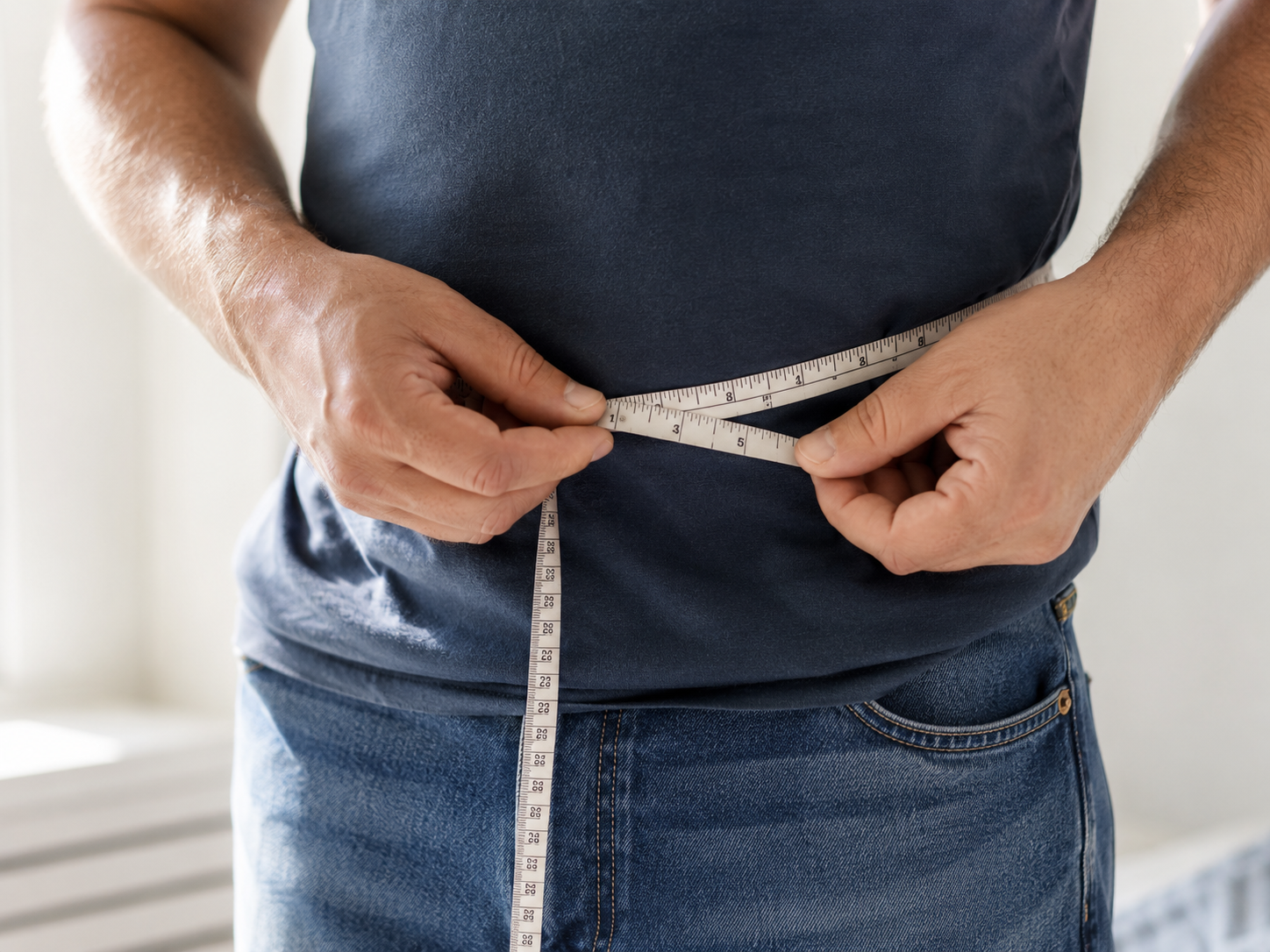
What Is Body Composition?
Body composition means what your body weight is made of.
Part of your weight is body fat. The rest includes muscle, bone, water, organs, and other lean tissue.
That is why two people can weigh the same amount but look, move, and function very differently.
A bathroom scale only tells you total weight. It does not tell you how much of the change came from fat and how much came from muscle.
For weight loss, the better target is simple: reduce excess body fat while protecting valuable lean tissue—especially muscle.
Why Muscle Matters So Much
Strength & Independence
Muscle lets you lift, climb stairs, carry groceries, protect your joints, and stay physically capable as you age.
Glucose Control
Skeletal muscle is one of the biggest places your body can send glucose after a meal. Healthy muscle helps your body clear sugar from the blood and store some of it as glycogen.
Daily Energy Needs
Muscle is metabolically active tissue. It uses energy even when you are not exercising. Losing large amounts of muscle can lower the amount of energy your body needs each day.
Healthy Aging
Age-related muscle loss is called sarcopenia. In simple terms, it means losing muscle and strength as we get older. Strength training and adequate protein help fight that loss.
Better Body Composition
Keeping muscle while losing fat changes the shape and function of the body much more than simply chasing a smaller scale number.
Long-Term Maintenance
A stronger body is easier to keep active. More activity, better glucose handling, and preserved muscle all help support long-term weight control.

What Happens to Protein After You Eat It?
Your digestive system breaks protein into smaller pieces called amino acids.
Amino acids are the building blocks your body uses to repair and build muscle, enzymes, hormones, immune proteins, and many other tissues.
Your body is constantly breaking down old proteins and building new ones.
The process of building new muscle protein is called muscle protein synthesis. Once you know the term, the idea is simple: it is your body's muscle-building and repair process.
During weight loss, adequate protein helps give your body the raw material it needs to protect muscle while stored body fat is being used for energy.
Your Body Needs a Reason to Keep Muscle
To lose body fat, you need an energy deficit. That means your body is using more energy than your food is providing.
That deficit encourages the body to pull energy from storage—but fat is not the only tissue that can be broken down.
If protein intake is too low, resistance exercise is missing, or the calorie deficit is overly aggressive, more lean tissue can be lost along with the fat.
A Plan Focused Only on the Scale
Eat as little as possible. Exercise as much as possible. Celebrate every pound lost without asking what tissue was lost.
A Body-Composition Plan
Create an effective deficit. Prioritize protein. Give muscle a reason to stay through resistance exercise. Recover well enough to adapt.
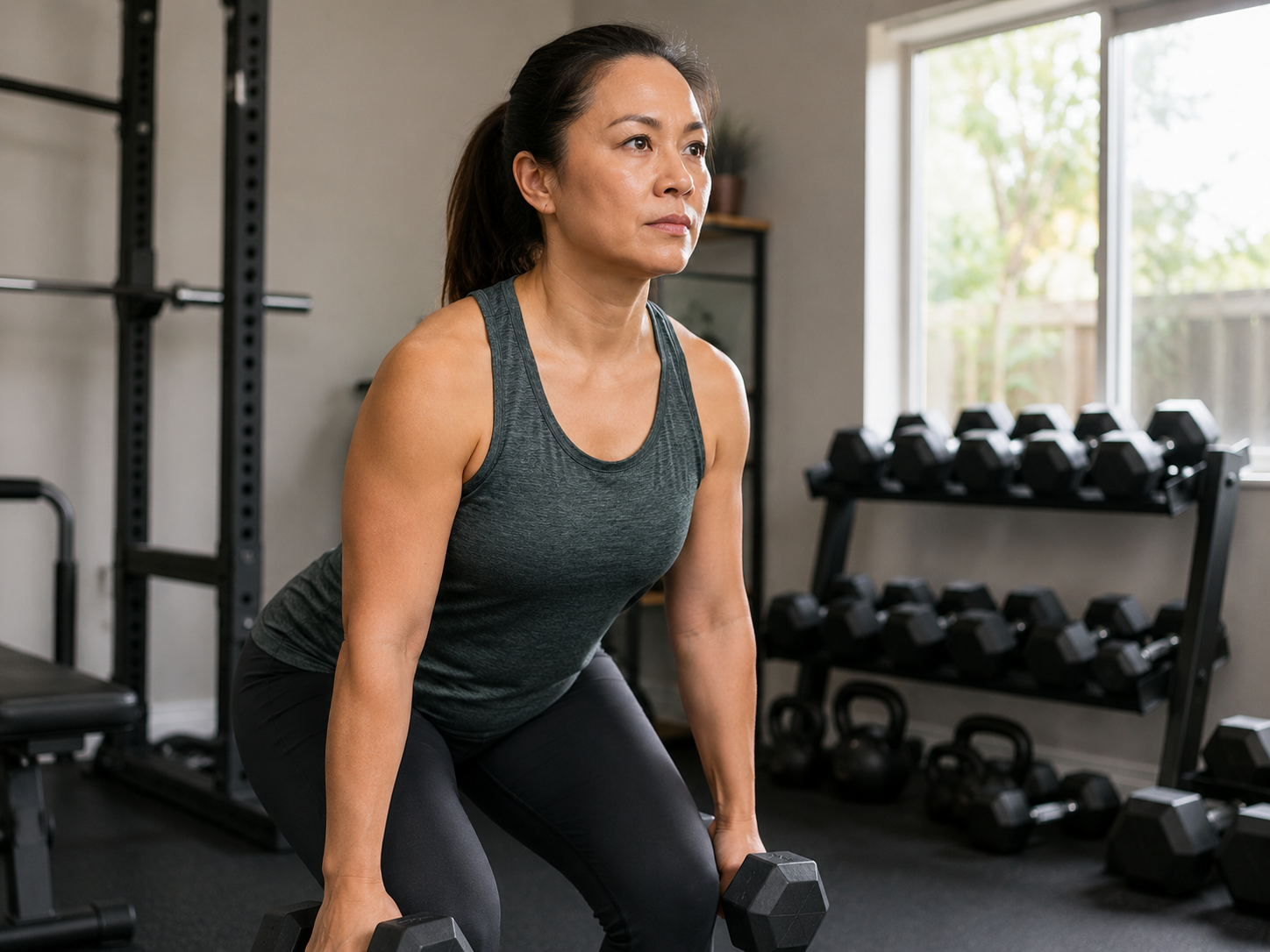
You Do Not Have to Be a Bodybuilder
Resistance training means making your muscles work against resistance.
That resistance can come from dumbbells, machines, resistance bands, kettlebells, or your own body weight.
The message to the body is simple: “I still need this muscle.”
That makes resistance exercise especially valuable during weight loss.
But the right workout is different for different people. Age, injuries, current fitness, sleep, stress, and recovery capacity all matter.
Harder is not automatically better. The right training dose is the amount that creates a useful challenge and that your body can actually recover from.
What Helps Protect Muscle During Fat Loss?
A Pound Lost Is Not Always the Same Kind of Progress
If two people each lose 20 pounds, but one loses mostly fat while the other loses a large amount of muscle with it, they did not get the same result.
That is why DocEllisDC focuses on fat loss, muscle preservation, strength, metabolic health, and a strategy you can maintain—not simply making the scale move as fast as possible.

How Much Protein? What Kind of Exercise? How Aggressive Should the Deficit Be?
Those answers depend on your starting point.
During a Health Clarity Session, we review your weight history, current fitness, previous injuries, eating habits, activity, sleep, stress, and the approaches you have already tried.
Then we can choose a starting strategy designed to help you lose excess fat while protecting the muscle and health you want to keep.
Book Your Health Clarity SessionEducational information on this page is not a diagnosis and does not replace appropriate medical evaluation when a medical condition is suspected.