
Gut Health, Inflammation & Weight Loss
Not every weight-loss problem starts in the gut. But when a real digestive problem is present, ignoring it can make the entire process harder.
Your digestive system affects much more than whether your stomach feels comfortable. It helps break down food, absorb nutrients, communicate with your immune system, and send signals that affect metabolism.
If digestion is consistently off, the first step may be fixing the gut problem instead of simply cutting more calories.

Gut health is important—but it is not an excuse to blame every stalled scale on the digestive system.
The goal is to identify a real problem when one exists and deal with it directly.
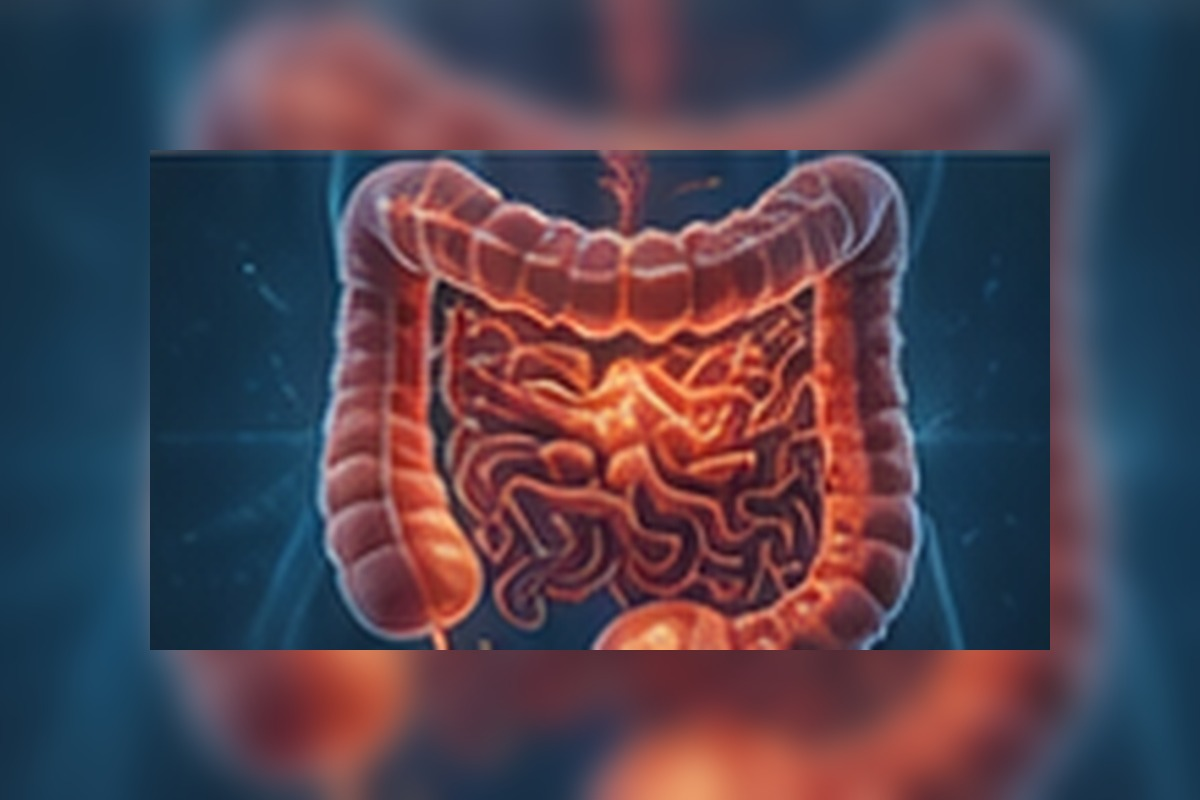
What Do We Mean by “Gut Health”?
When I talk about gut health, I am mainly talking about how well your stomach and intestines digest food, move waste, maintain their protective lining, and work with the microbes that live inside the digestive tract.
That community of bacteria and other microorganisms is called the gut microbiome.
Your microbiome is not just a collection of “good bugs” and “bad bugs.” It is an entire living community that helps process parts of food, interacts with the immune system, and produces compounds that can affect the rest of the body.
When that community becomes meaningfully disrupted, scientists often use the word dysbiosis. In simpler terms, dysbiosis means the gut ecosystem is out of balance.
Once we know the term, the practical question becomes simple: Is your digestive system working well enough to support the plan we are asking you to follow?
Gut Problems Can Make Weight Loss Harder Without “Breaking” the Calorie Equation
A digestive problem does not make calories stop mattering. But it can make a good weight-loss plan much harder to follow.
Bloating & Abdominal Pain
If meals regularly leave you swollen, cramping, or uncomfortable, healthy eating becomes harder to maintain.
Diarrhea or Loose Stool
Frequent loose stool can signal that digestion or absorption is not working normally and can make certain foods difficult to tolerate.
Constipation
Constipation does not create body fat, but it can change scale weight, create discomfort, and tell us the digestive system needs attention.
Food Intolerance
If many foods trigger pain, bloating, nausea, or bowel changes, building a balanced diet can become much more complicated.
Poor Appetite Control
Gut signals communicate with the brain and can influence hunger, fullness, and food reward. Those signals are part of the larger weight-management picture.
Low Energy
Ongoing digestive symptoms, poor food intake, inflammation, and poor sleep often travel together—and all of them can reduce the energy you have to stay active.

Where Inflammation Enters the Picture
Inflammation is the body's normal defense response to injury, infection, or irritation. Short-term inflammation is useful.
The problem is chronic low-grade inflammation—a quieter inflammatory signal that stays active for a long time.
Obesity, insulin resistance, poor food quality, sleep loss, and some gut problems can all be associated with this type of ongoing inflammation.
Chronic inflammation can interfere with normal insulin signaling and metabolic health. It can also contribute to fatigue and make it harder to recover from exercise.
Inflammation does not magically create body fat. It can, however, make the metabolic environment less favorable and make the behaviors needed for fat loss harder to sustain.
What Is Intestinal Permeability—or “Leaky Gut”?
The lining of your intestines forms a protective barrier. It allows nutrients and water to cross into the body while helping keep larger food particles, microbes, and irritating material where they belong.
When that barrier becomes more permeable than it should be, the medical term is increased intestinal permeability.
You may also hear the phrase “leaky gut.” That is a simpler name for the same general idea, but it is often used far too loosely online.
Increased intestinal permeability is a real physiologic process in certain diseases and inflammatory conditions. It should not be used as a catch-all explanation for every symptom or every case of weight gain.
When barrier function is meaningfully disrupted, pieces of bacteria and other microbial products may interact more strongly with the immune system. One bacterial component you may hear about is lipopolysaccharide, or LPS. After you know the name, you can simply think of LPS as one type of bacterial fragment that can trigger an immune response.

Gut Bacteria Also Make Useful Compounds From Food
Some gut bacteria can ferment fibers that your own digestive enzymes cannot fully break down.
That process creates compounds called short-chain fatty acids, or SCFAs.
SCFAs are small molecules that help feed cells in the colon and can influence the intestinal barrier, immune system, and metabolic signaling.
This is one reason food quality matters beyond calories alone.
But this does not mean everyone needs a huge fiber load, a shelf full of probiotics, or a trendy microbiome test. If your gut is already irritated, adding the wrong fiber or supplement can make symptoms worse.
The goal is not to “hack” the microbiome. The goal is to build a digestive environment that tolerates nutritious food and supports normal function.
The Gut–Liver Connection Matters
Your intestines and liver are directly connected.
Much of the blood carrying nutrients away from the digestive tract travels to the liver first through a large blood vessel called the portal vein.
The liver then helps process nutrients, manage blood sugar and glycogen, handle fats, make bile, and deal with many substances absorbed from the digestive tract.
This close relationship is often called the gut–liver axis. In plain English, it means problems in metabolism, the gut, and the liver can influence each other.
One condition tied closely to insulin resistance and excess body fat is metabolic dysfunction-associated steatotic liver disease, or MASLD. Most people simply know it as metabolic fatty liver disease.
Gut symptoms do not automatically mean you have fatty liver, and fatty liver does not automatically mean your gut caused it. But when insulin resistance, obesity, inflammation, liver fat, and digestive problems show up together, it makes sense to look at the whole metabolic picture.
Sometimes the Best Weight-Loss Plan Starts by Fixing Digestion
I do not believe everyone needs to complete a gut program before losing weight.
But I also do not believe in ignoring obvious digestive problems just because the person came in asking about the scale.
If the gut is the dominant problem, starting there can make the later weight-loss plan simpler and easier to follow.
The Basics Are Powerful
Eat More Real Food
Build most meals around quality protein, vegetables, healthy fats, and minimally processed foods your digestive system tolerates.
Use Fiber Intelligently
Fiber can support the microbiome, bowel function, and fullness—but more is not always better. Increase it gradually and match it to your tolerance.
Hydrate
Water matters for digestion and bowel function, especially when fiber intake or activity increases.
Move Every Day
Walking and regular activity support bowel movement, insulin sensitivity, and overall metabolic health.
Sleep & Recover
Poor sleep and chronic stress can affect digestion, appetite, inflammation, and the choices you make the next day.
Stop Chasing Random Supplements
Probiotics, prebiotics, enzymes, and other tools can be useful—but they should solve a real problem, not become a substitute for understanding the problem.
Explore the Gut Health Knowledge Center
This Weight Loss page only explains the gut connection as it relates to fat loss. The Gut Health Knowledge Center goes much deeper into digestion, intestinal permeability, bowel changes, food sensitivities, inflammation, and the other gut-health topics we evaluate.

Should You Start With Weight Loss—or Gut Health First?
That decision should be based on your actual history and symptoms, not a one-size-fits-all rule.
During a Health Clarity Session, we review your weight history, eating patterns, digestive symptoms, bowel habits, food tolerance, sleep, stress, activity, and the approaches you have already tried.
Then we decide whether the most sensible starting point is the Weight Loss Program, a Gut Health Program, another change in strategy, or an appropriate medical evaluation first.
Book Your Health Clarity SessionEducational information on this page is not a diagnosis and does not replace evaluation by an appropriate licensed medical professional when persistent, severe, or concerning gastrointestinal symptoms are present.