
What You Eat Still Matters
Calories matter. So does what those calories are made of.
You can lose weight with many different eating styles. But the easiest plan to follow is usually the one that gives you enough protein, enough nutrition, good hunger control, and food you can actually live with.
The goal is not to find one “perfect” diet. The goal is to build the right diet for your body, your metabolism, and your real life.
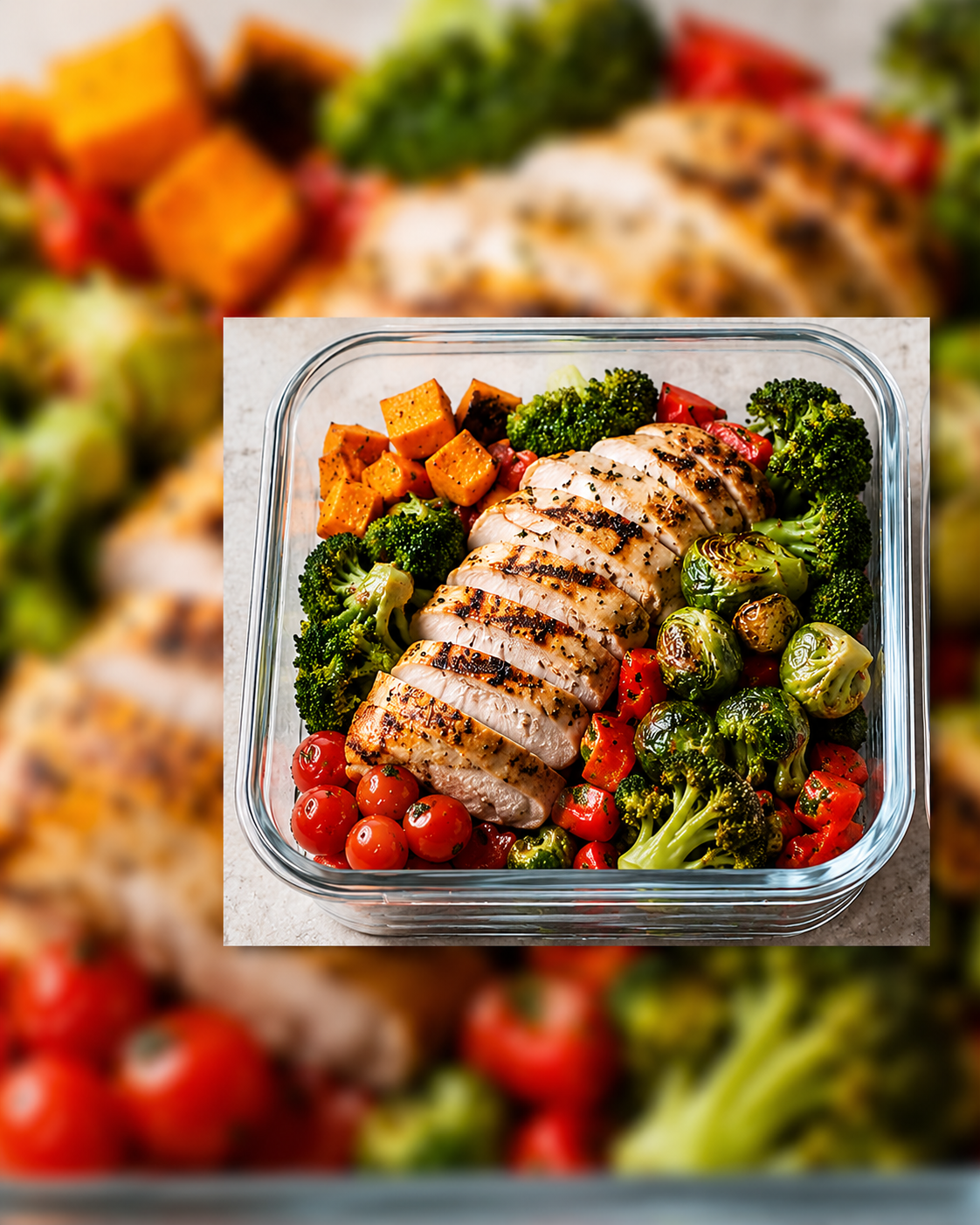
The best diet creates the right energy deficit without making you fight hunger, poor nutrition, or a plan you hate.
Calories, food quality, protein, fat, carbohydrates, portions, and sustainability all matter.
What Is a Calorie?
A calorie is simply a unit used to measure energy.
Your body uses energy all day long—to keep your heart beating, maintain body temperature, think, walk, digest food, exercise, and repair tissue.
If you consistently take in more energy than your body uses, some of that extra energy can be stored. If you consistently use more energy than you take in, your body has to pull energy from storage.
That is why an energy deficit is still required for fat loss. But “eat fewer calories” does not tell you which foods will control hunger, protect muscle, support your hormones, or make the plan easier to follow.
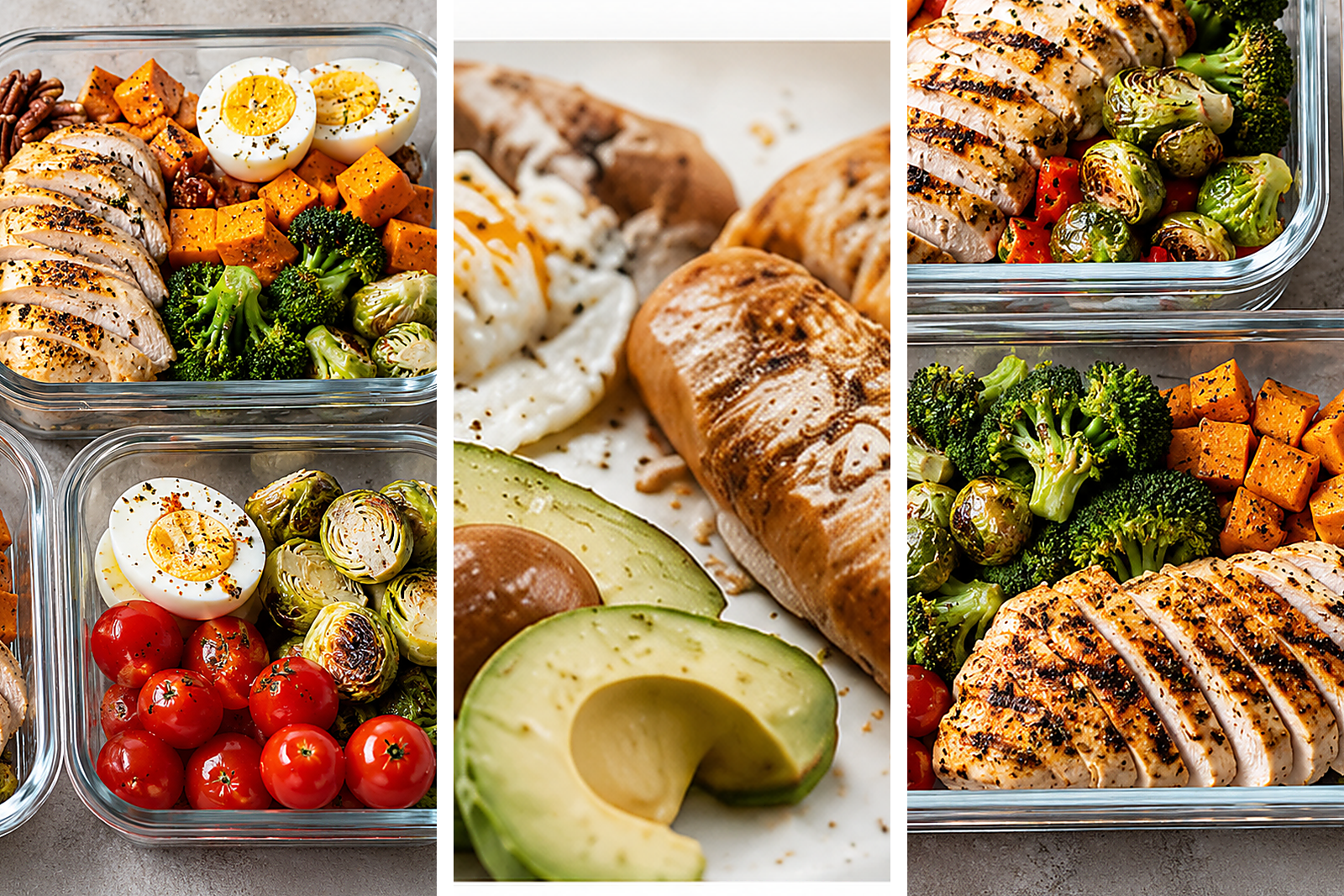
Protein, Fat & Carbohydrates Do Different Jobs
The nutrients we eat in the largest amounts are called macronutrients, or “macros.”
The three main macros are protein, dietary fat, and carbohydrate.
All three can provide energy, but they do not behave exactly the same way in the body.
They affect hunger, blood sugar, insulin, muscle, food volume, and digestion differently.
This is why 500 calories of food can still have very different effects on how full you feel and how easy it is to stop eating.
Protein Comes First
Protein is broken down into amino acids, the building blocks your body uses to repair and build muscle and many other tissues.
Protein is especially important during weight loss because we want your body to lose excess fat without unnecessarily losing muscle.
Protein also tends to be very filling. That feeling of fullness is called satiety.
For a deeper explanation, visit Protein, Muscle & Metabolism →
Dietary Fat Is Not the Enemy
Dietary fat is an essential part of a healthy diet.
Your body needs certain fats called essential fatty acids because it cannot make enough of them on its own.
Fat also helps your body absorb the fat-soluble vitamins A, D, E, and K, and it is used in cell membranes and many signaling processes.
Fat is also very energy-dense. It provides about 9 calories per gram, compared with about 4 calories per gram for protein and carbohydrate.
So healthy fat belongs in the plan—but portions still matter. Oils, nuts, cheese, cream, avocado, and other healthy high-fat foods can add a lot of energy quickly.
How Much Carbohydrate Do You Actually Need?
Carbohydrates are broken down mainly into glucose, the sugar your body can use for quick energy.
Some of that glucose can be stored as glycogen in the liver and muscles for later use.
Unlike essential amino acids and essential fatty acids, there is no single dietary carbohydrate that must be eaten to prevent a carbohydrate-deficiency disease.
That does not make carbohydrates useless. Many people handle carbohydrates very well, especially when they are active and insulin-sensitive.
The amount that makes sense depends on the person. Someone with insulin resistance may benefit from a much lower-carbohydrate approach. Someone else may do very well with whole-food carbohydrates included in a balanced calorie deficit.
The question is not “Are carbs good or bad?” The better question is: how much carbohydrate does this person handle well while still reaching the goal?
For more on glucose, insulin and fuel use, visit How Your Body Stores and Burns Fat →
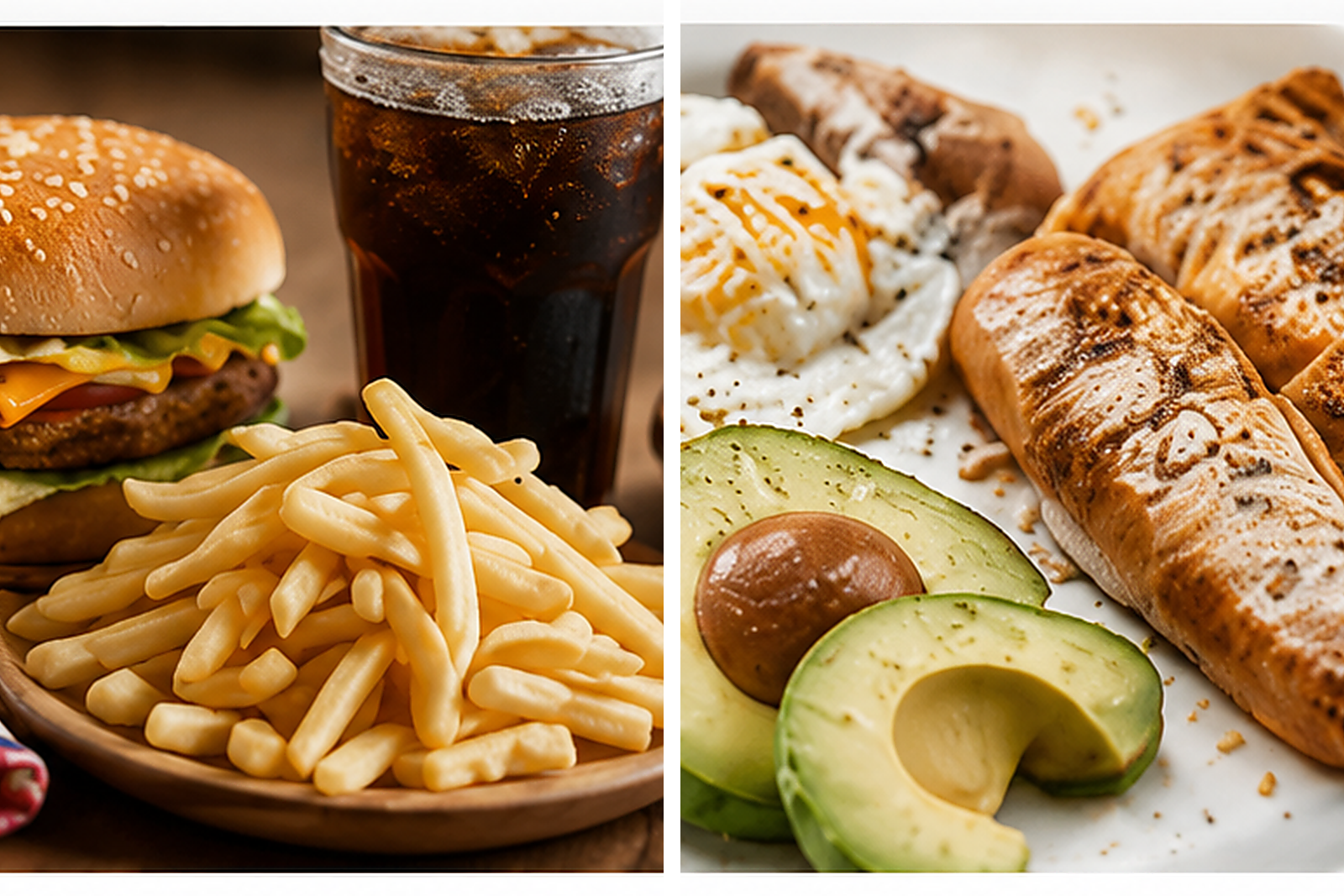
What Is Ultra-Processed Food?
Ultra-processed foods are industrial food products made mostly from refined ingredients and often designed to be extremely easy to eat.
They may combine refined starches, added sugars, fats, salt, flavors, and other additives into foods that are soft, convenient, and highly rewarding.
The problem is not that one bite of processed food suddenly blocks fat loss. The problem is that these foods can make it much easier to eat a large amount of energy before your body feels satisfied.
In a controlled NIH study, people offered an ultra-processed diet ate roughly 500 more calories per day than when they were offered a minimally processed diet, and their body weight moved in opposite directions during the two diet periods.
This is why food quality matters even when calories still matter. Better food quality often makes calorie control easier instead of forcing you to depend on willpower all day.
Portion Size Still Counts
A food does not become calorie-free because it is healthy.
Nutritious foods such as nuts, cheese, olive oil, avocado, fatty meat, and cream can fit beautifully into a weight-loss plan. But they can also provide a large amount of energy in a small serving.
That is why learning what a realistic portion looks like matters—especially early in the process.
Counting Everything Forever
Some people like detailed tracking. It can teach you exactly what you are eating, but it is not realistic for everyone forever.
Learning the Pattern
A food scale, measuring cups, and a structured meal plan can teach you what proper portions look like until the process becomes more automatic.
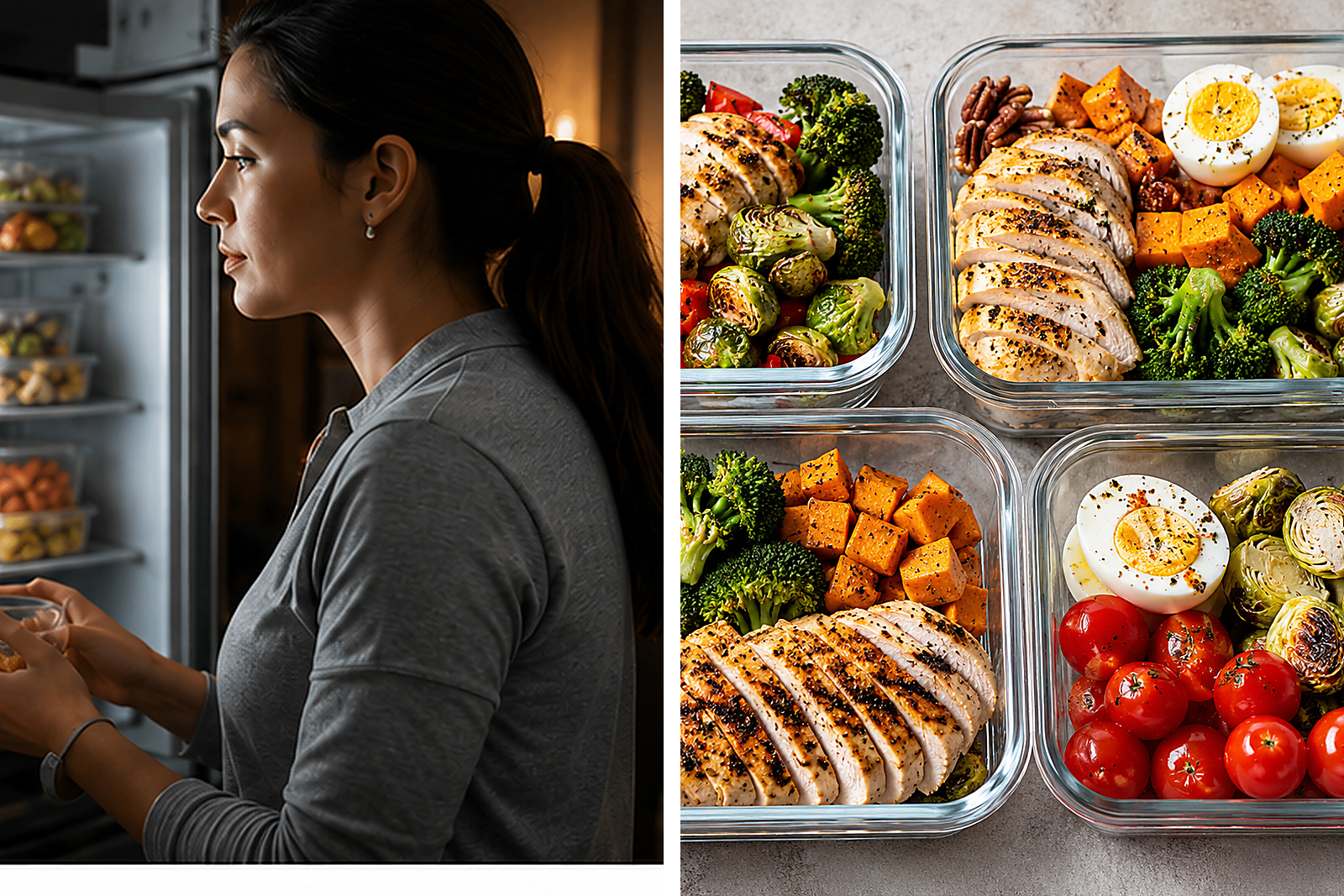
Build Meals That Keep You Satisfied
Satiety means the feeling that you have eaten enough and can comfortably stop.
A good weight-loss meal should not only fit your calorie target. It should also help control hunger for a reasonable amount of time.
Protein, vegetables, whole foods, appropriate fat, fiber when tolerated, and enough food volume can all help.
So can planning ahead. When you already know what you are going to eat, you are less likely to make every food decision while hungry, tired, or stressed.
A plan that leaves you starving all day is usually not a better plan just because the math looks aggressive.
Build the Meal Around the Person
There is no single plate that is perfect for everyone, but this is a useful starting framework:
The Best Diet Depends on the Person
Balanced Calorie Deficit
Works very well for many people when hunger is controlled and the person handles carbohydrates well.
Lower-Carbohydrate
Can be useful when carbohydrate reduction improves hunger, blood sugar, or insulin control without requiring full ketosis.
Ketogenic
Can be a powerful tool for selected people who benefit from very low carbohydrate intake and greater reliance on fat-derived fuel.
The winner is not the diet with the best name. The winner is the plan that matches the person's physiology and that they can actually follow.
Real Food Is the Foundation. Perfection Is Not Required.
The current Dietary Guidelines for Americans emphasize a simple message: eat real food and limit highly processed foods, refined carbohydrates, and added sugars.
You do not have to eat perfectly to lose fat. You do need a pattern that gives your body what it needs and keeps total intake in the right range often enough to make progress.
Consistency beats perfection.

Do You Need Balanced Carbs, Low-Carb, Keto—or Simply Better Structure?
That decision should not come from a random diet trend.
During a Health Clarity Session, we review your weight history, current eating pattern, hunger, previous diets, activity, sleep, stress, gut-health concerns, and what you can realistically follow.
Then we choose a starting strategy designed to help you lose excess body fat, protect muscle, and learn what a healthy eating pattern actually looks like for you.
Book Your Health Clarity SessionEducational information on this page is not a diagnosis and does not replace appropriate medical evaluation or individualized nutrition care when a medical condition is present.